Whoa! The DeFi space moves fast. Really fast. At times it feels like trying to change a tire on a car that’s still doing 80 mph on the interstate. My gut said for years that the wallets we relied on were optimized for convenience, not for human mistakes — and that has consequences. Initially I thought every new wallet was just a prettier wrapper around the same risky primitives, but then I started testing transaction simulation and multi-chain flows more seriously and realized there’s a different class of user experience that actually prevents loss.
Okay, so check this out — transaction simulation isn’t sexy. Hmm… people like GUIs and swap interfaces. But simulating what will happen on-chain before you hit «confirm» is the difference between a near-miss and a burned wallet. On one hand, you have the classic confirmations and gas estimates; on the other, you have the ability to preview token movements, contract calls, and allowance changes in plain language before any signing occurs. On the surface that sounds like a dev toy. Though actually, for power users and cautious newcomers alike, it’s critical. I’ll be honest: this part bugs me when wallets skip it.
Here’s the thing. Inexperienced users often misinterpret approvals. They approve an ERC-20 for «infinite» spending because it’s easier and then forget about it. Later, some malicious contract sweeps that allowance. Yikes. Something felt off about the default mental model — approve-and-forget — but solving it is straightforward: show what the approval actually allows. Show the vector. Show the worst-case negative balance scenario. That clarity reduces mistakes. I’m not 100% sure everyone will read it, but visibility matters.
Multi-chain complexity adds another layer. Seriously? You just switched networks and now your token lists look weird, or the contract address differs slightly, or gas behaves oddly. Users hop between Ethereum, Arbitrum, Optimism, and a half dozen EVM chains and they expect things to «just work.» They shouldn’t have to mentally translate. A strong multi-chain wallet unifies context: which chain you’re on, required confirmations, destination chain nuances, and cross-chain liquidity quirks. Initially I thought network switching was a small UX problem, but then a batch of failed bridged swaps showed otherwise — and I adjusted my view.
Here’s a typical scenario I ran into: a friend tried to bridge stablecoins, saw a sharp slippage warning but didn’t understand the route, and accepted anyway. Bad outcome. On a slow afternoon I traced the transaction and realized a preliminary simulation would have shown the low-liquidity hop that caused the slippage. If a wallet can simulate and flag that, users get a real chance to stop. The absence of that pause is the issue.
What good transaction simulation actually looks like
Short answer: readable, actionable, and conservative. Long answer: it should parse the raw calldata, simulate the state transitions, and then translate the results into human terms — who sends what, who spends what, and what approvals change. Hmm… that’s a lot. But wallets don’t need to teach users Solidity to be useful; they just need to minimize surprises. For example, a simulation that shows «This contract will transfer 1,000 USDC from your wallet to Contract X and set an allowance for Contract Y» is far better than a raw «approve» prompt. Also, highlighting unexpected recipient addresses, or nonstandard token behavior (like fee-on-transfer tokens), saves people from very costly mistakes.
On the technical side, accurate simulation requires a reliable node or RPC provider and often a local EVM execution to replicate pending states. It can be tricky — reverted calls, gas refunds, and reentrancy edge cases all complicate the picture — but even conservative, best-effort simulations add enormous value. Initially I worried about false positives (too many warnings), but a tuned UX that grades risk and suggests actions reduces alert fatigue. Actually, wait—let me rephrase that: the UX needs to prioritize the biggest, clearest risks first, and allow the rest to be inspected on demand.
Another practical bit: approvals need management. Give users simple controls to revoke or limit allowances. Give them a timeline view. Who gave permissions six months ago? Which dApp still has access? If a wallet offers an approval manager and pairs it with simulation, you get garbage collection and prevention in one package. That’s why I keep going back to the same lesson: make permissions visible and reversible.
Security features should also be pragmatic. Hardware wallet support is table stakes. Address book / trusted recipient lists help, and transaction tagging (like «this came from a swap» vs «this came from a contract call») cuts down confusion. On one hand, you can add endless hardening measures; on the other, you must avoid overwhelming users. There’s a balance — and user testing often reveals what real people actually use vs what they ignore.
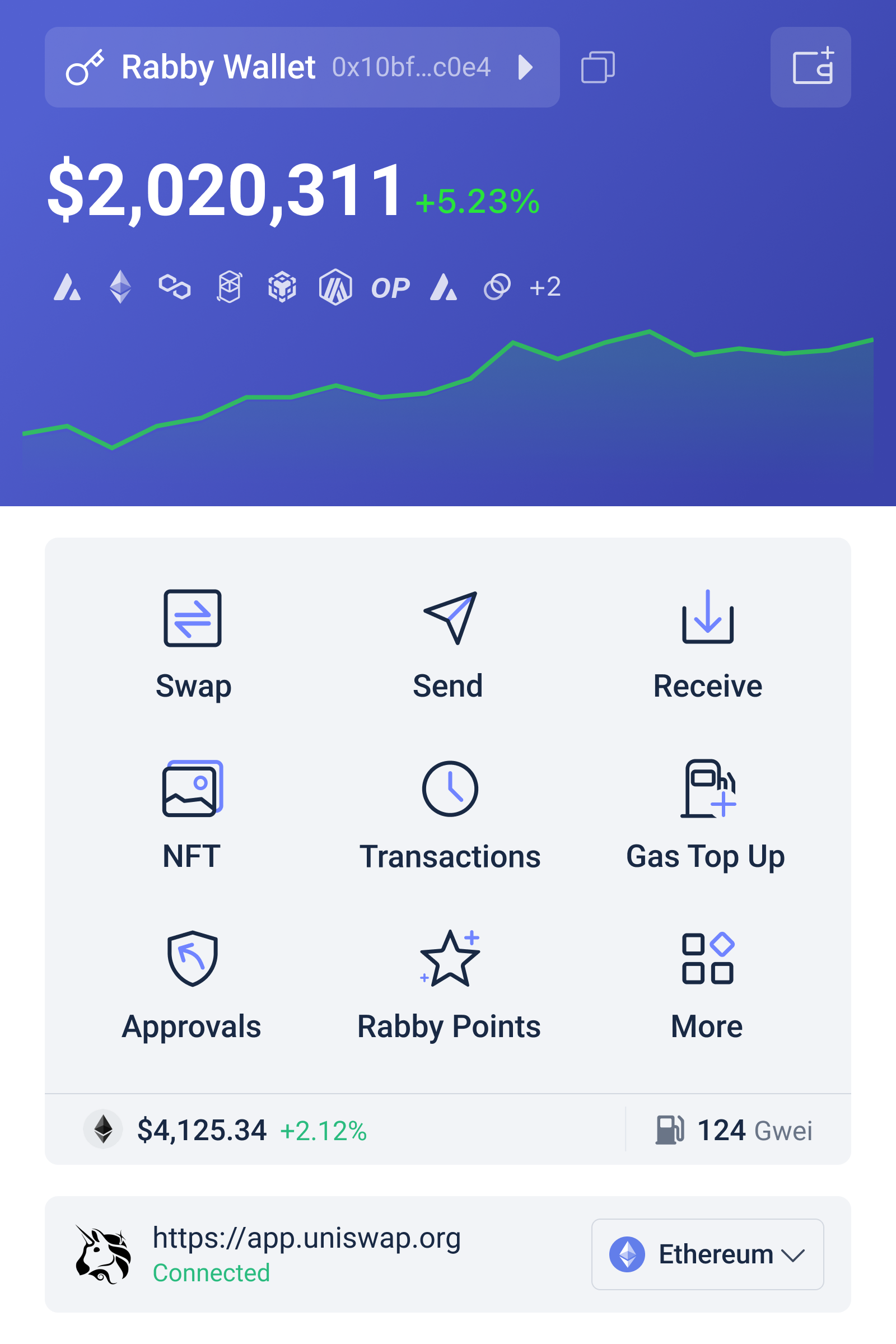
Now, not to pick favorites, but some wallets stand out for marrying multi-chain capability with simulation and clear permissioning. If you want a hands-on experience where simulation is not buried, try tools that present a before-and-after breakdown and let you decline risky subcalls without killing the whole flow. For me, that practical tradeoff between control and convenience is why I started recommending specific wallet tooling in my group of friends and colleagues. One favorite in my toolkit is the rabby wallet, which emphasizes transaction simulation alongside multi-chain usability — and yeah, that link is because I used it and because it fits the mental model I’m describing.
People ask: do simulations add latency? Sometimes. They can add a few hundred milliseconds to a few seconds depending on RPC speed. But that delay is a feature, not a bug. It’s the pause that lets a human think. Also, a well-implemented simulator caches common checks, parallelizes calls, and uses heuristics to cut wait times. You don’t always need millisecond-level feedback; you need clear, correct feedback.
Okay — tangent: UX patterns I adore include contextual tooltips that explain why a call matters, inline examples of worst-case scenarios, and one-click revokes. These little things reduce cognitive load. (oh, and by the way…) Power features like batch transactions and nonce management are fantastic for active traders, but they require the same safety scaffolding. Power without guardrails is risky. Very very risky.
Real-world tradeoffs and what to watch for
On one hand, a wallet that tries to show everything will overwhelm. On the other, a wallet that shows almost nothing leaves users vulnerable. So what to do? Prioritize signals: approvals, value at risk, recipient identity, and cross-chain bridges. Provide progressive disclosure — show the headline risk first, let the curious dig deeper. This is how you reconcile competing needs. Initially I thought a minimal interface was best, but then I watched people sign dangerously uninformed transactions and changed my mind.
Also, beware of over-reliance on heuristics. Heuristics are great, but bad heuristics create blind spots. For example, flagging every contract interaction as dangerous will encourage users to click through. A well-tuned solution uses reputation data sparingly, augments it with deterministic checks, and surfaces provenance where available. There’s no perfect scorecard, though: human judgment still matters. I’m biased, but I prefer wallets that educate in small, digestible bites rather than shout warnings at every click.
Privacy versus usability is another tension. Some simulation services need richer RPC access or heuristics that look at token flows across addresses; that can leak metadata unless handled carefully. So watch how the wallet handles telemetry and consider using your own RPC endpoint if privacy is a priority. I do that for certain flows, and it helps — though it adds complexity that casual users won’t want to deal with. Tradeoffs everywhere, right?
Finally, testing with real users is non-negotiable. Developers love edge cases; regular users love clarity. A wallet that pleases both groups usually provides advanced options tucked behind an «expert» toggle while keeping the main flow simple and transparent. This layered complexity — progressive disclosure again — is a small design trick that has outsized benefits.
FAQ
What is transaction simulation and why should I care?
Transaction simulation runs a preview of your intended on-chain action against a simulated state so you can see what will happen — transfers, approvals, contract calls, and potential reverts — before you sign. It reduces surprises and often catches the most costly user mistakes.
Does simulation protect me from smart contract bugs?
Not entirely. Simulation can reveal many state changes and logical outcomes, but it can’t always predict novel vulnerabilities, oracle manipulation, or post-signing orchestration. Think of simulation as a strong safety net, not an infallible shield.
How does a multi-chain wallet make cross-chain flows easier?
A good multi-chain wallet unifies context, shows which chain each action targets, and explains bridge routes or rollup specifics. It also handles nonce management and network switching more transparently so users don’t accidentally send assets to the wrong environment.
Which features should I look for in a safer wallet?
Prioritize transaction simulation, approval management, hardware wallet integration, clear chain indicators, and localizable privacy controls. Bonus points for batch transaction support and a thoughtful UX that explains risk without causing alert fatigue.
So where does that leave us? A better wallet is not a magic fix, but it materially reduces friction and prevents common losses. I’m optimistic — cautiously so — because when product design respects human error and supports real decision-making, the whole ecosystem benefits. There’s still work to do, and some things will inevitably get messy again as new primitives emerge… but for now, focusing on simulation, permission visibility, and sensible multi-chain UX is one of the most practical moves anyone building or using DeFi can make.
